The Alliance to Restore Cultural Heritage in Jerusalem
About ARCH
ARCH – The Alliance to Restore Cultural Heritage in Jerusalem was founded in 2010 in Geneva, Switzerland, by a small group of academics. Our logo symbolizes the arches we extend towards alliance with individuals and organizations that share our aim to help protect vulnerable heritage in Jerusalem. We are an international team comprising experts in archaeology, interreligious relations and dialogue, international and human rights law, the histories of Jerusalem, and the digital humanities. Additionally, our team’s capabilities include reporting on the illicit trafficking of cultural goods and training on digital tools for cultural heritage documentation and preservation. In 2012 ARCH Jerusalem was included in the register of international NGOs of the State Chancellery of the Republic and Canton of Geneva.
In Jerusalem, the rows of graves are the lines of the city’s history while the book is the soil. Everyone has passed through For Jerusalem welcomes all visitors, whether disbelievers or believers.
Walk through, and read the headstones in all languages You will find the Africans, the Europeans, the Kipchaks, the Slavs, the Bosniaks, the Tatars, the Turks, the believers, the disbelievers, the poor and the rich, the hermits, and the miscreants. Here lie all sorts of people that ever walked the earth. They were the footnotes of the book, now they are the main text before us.
These are some of the long-term projects we are actively engaged in.
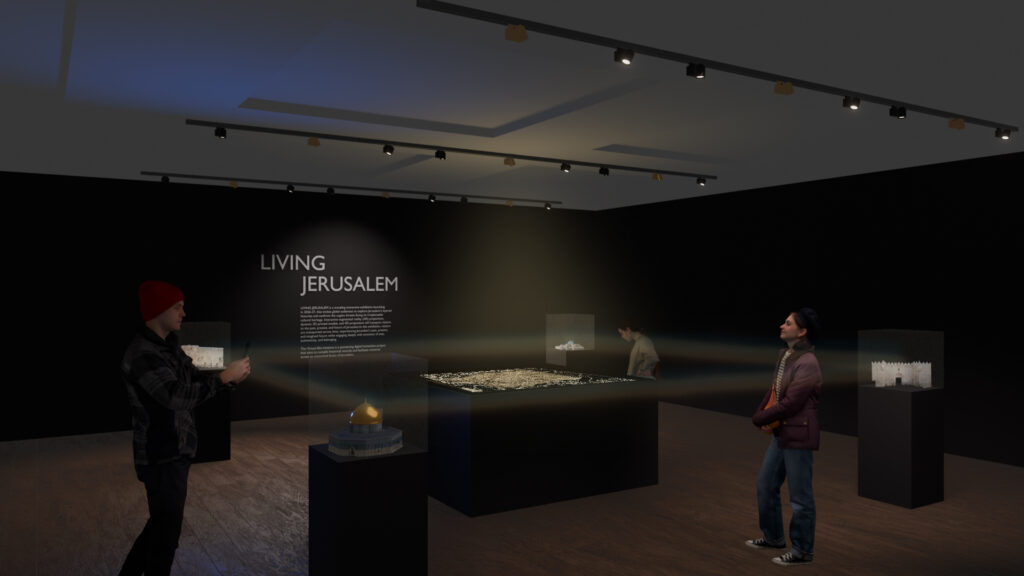
LIVING JERUSALEM
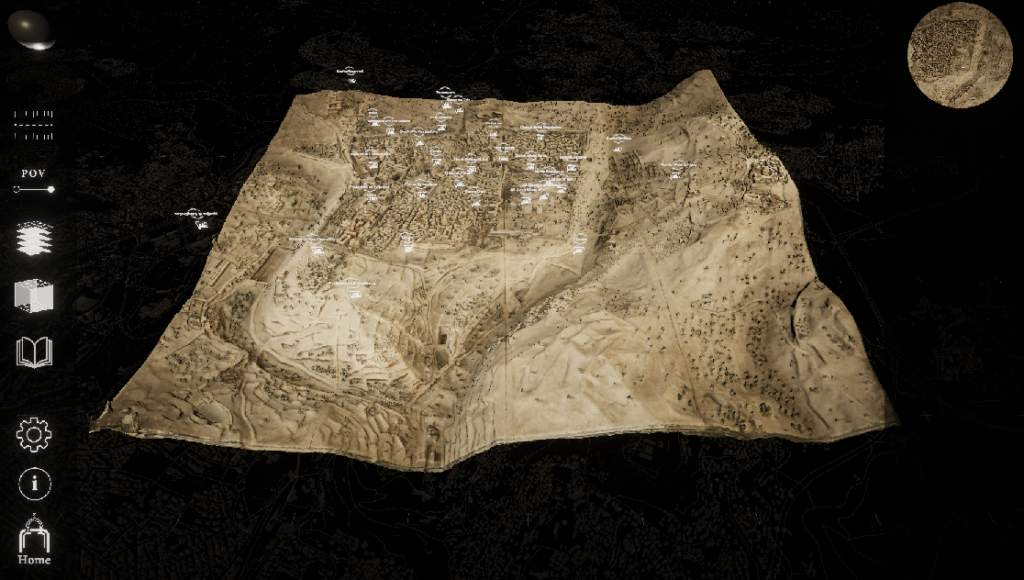
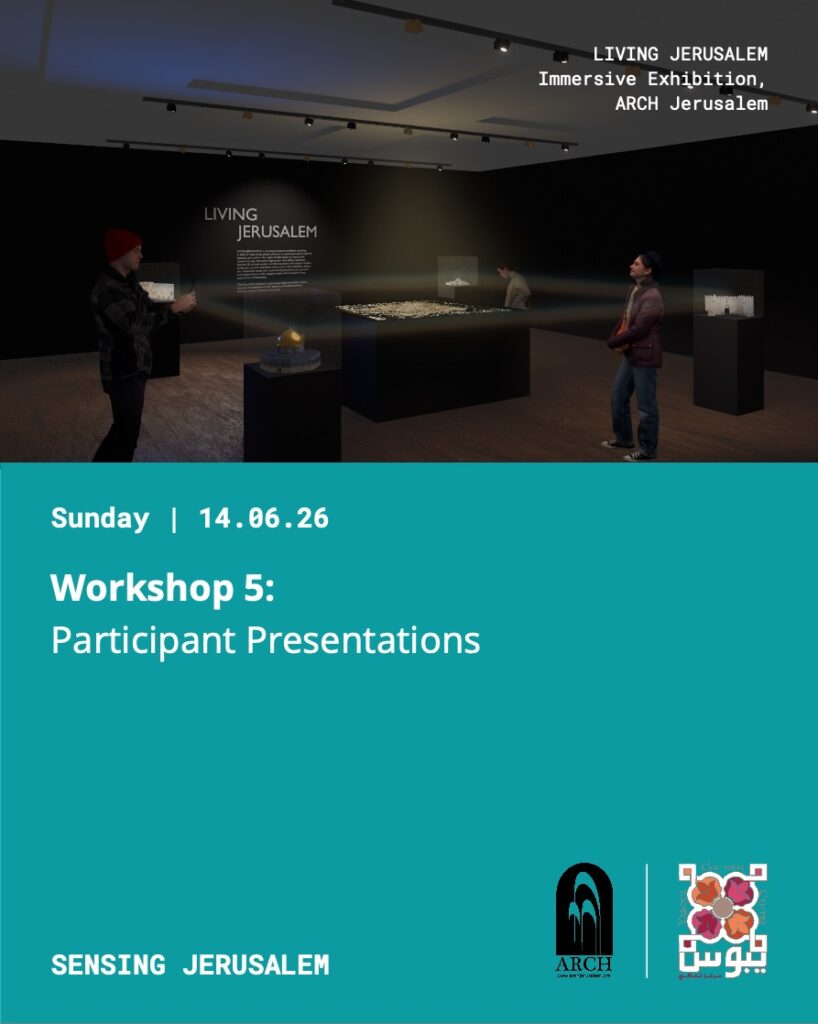
LIVING JERUSALEM will be experienced as an immersive installation within a curated exhibition that will travel globally. Participants will engage with Jerusalem’s histories and learn about threats to its vital and irreplaceable cultural heritage.
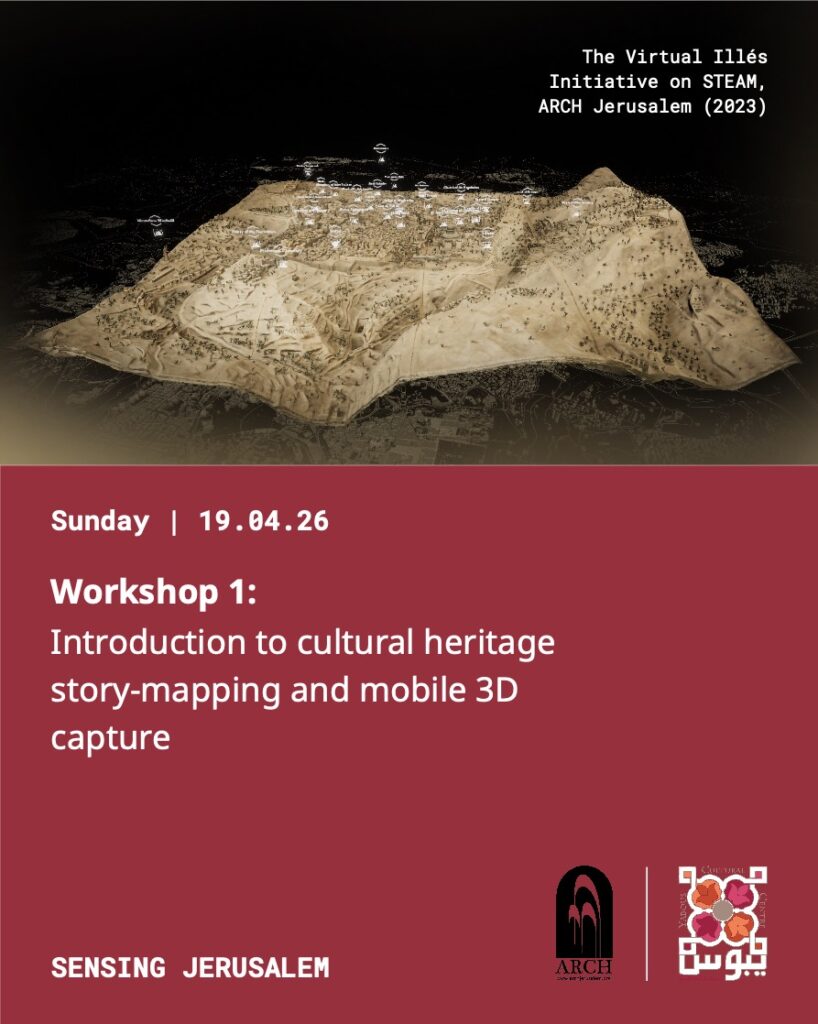
The Virtual Illés Initiative is a pioneering, transdisciplinary digital humanities project that aims to compile these fascinating records and facilitate universal access to these uncovered facets of the city.
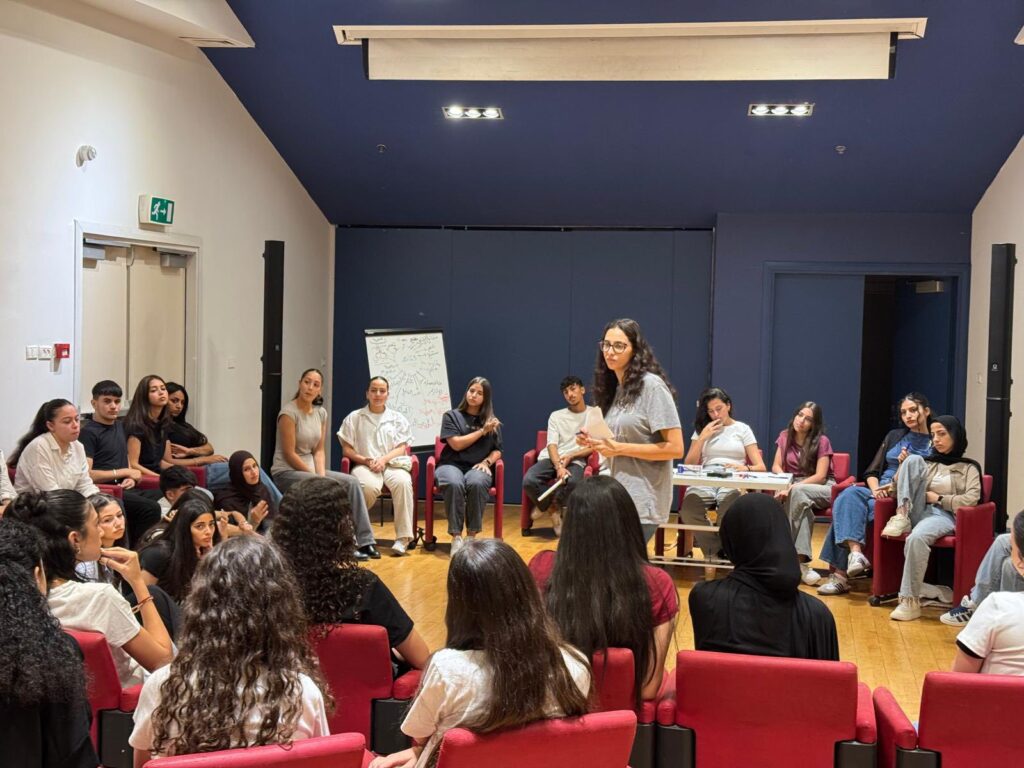
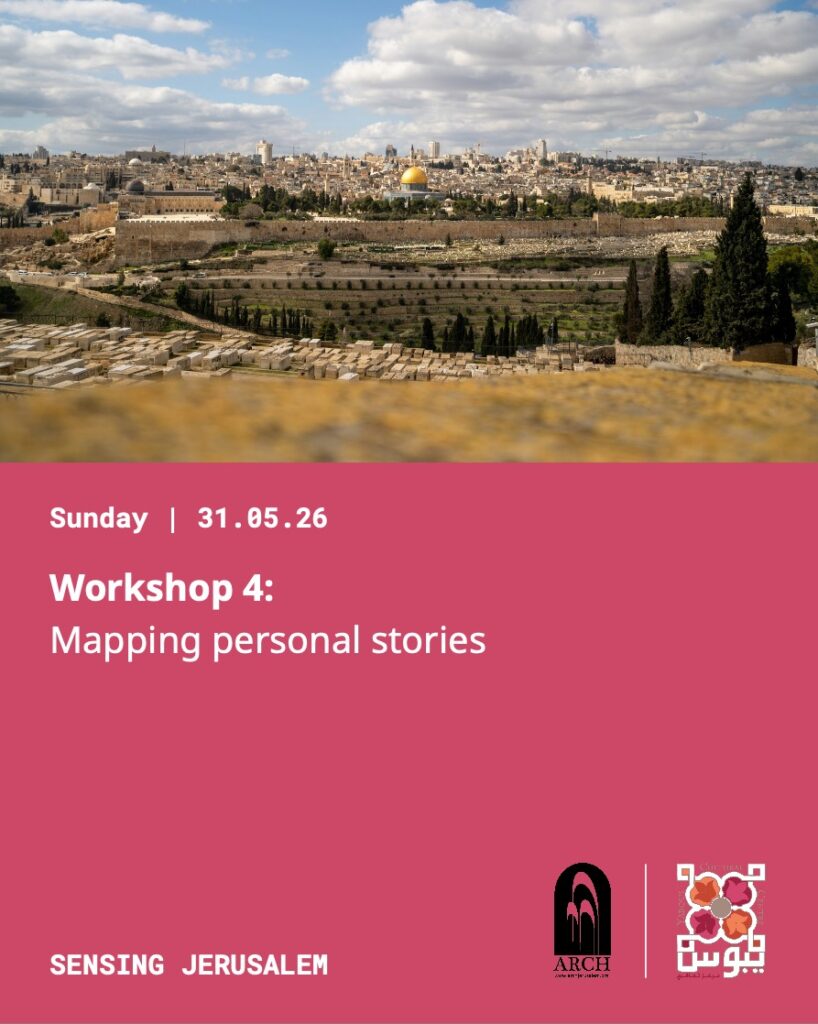
Our team, along with outside experts in digital humanities, will offer digital training sessions for selected Palestinian students at the Yabous Cultural Centre in Jerusalem.
The Mughrabi Quarter of Jerusalem was wiped off the face of the map by the State of Israel in 1967, but it remains intact – albeit in miniature – as part of the Illés Relief of Jerusalem (1873).
In early 2026, ARCH Jerusalem completed its first series of five digital heritage workshops conducted at the Yabous Cultural Centre in Jerusalem. Fourteen young Palestinians participated in training sessions covering photogrammetry, lidar mapping, 3D annotation, and story mapping — becoming curators of Jerusalem’s history through digital tools. Five participants completed interactive story maps documenting sites and narratives across the city. Despite the constraints of remote instruction and limited connectivity, the workshops demonstrated that meaningful cultural heritage documentation can be achieved even where archival collections are under supported and historical organizations face closure.
Building on this pilot, ARCH Jerusalem is now developing Sensing Jerusalem II, a five-day intensive training program for twelve Palestinian archival professionals, planned for 2027 to take place on-site in Jerusalem.